
Explore the hidden performance drivers inside EV batteries
Many of the critical performance improvements in electric vehicle batteries happen at the surface of components.
Discover how advanced surface finishing technologies support conductivity, corrosion protection, thermal management, lightweighting, EMI shielding, and long-term battery reliability.
What you will discover

Performance
Understand how battery components contribute to safety, efficiency and durability

Technology
Explore where surface finishing solutions create value

Sustainability
Learn how surface technologies support longer service life and circular manufacturing
Why surface finishing matters for EV batteries
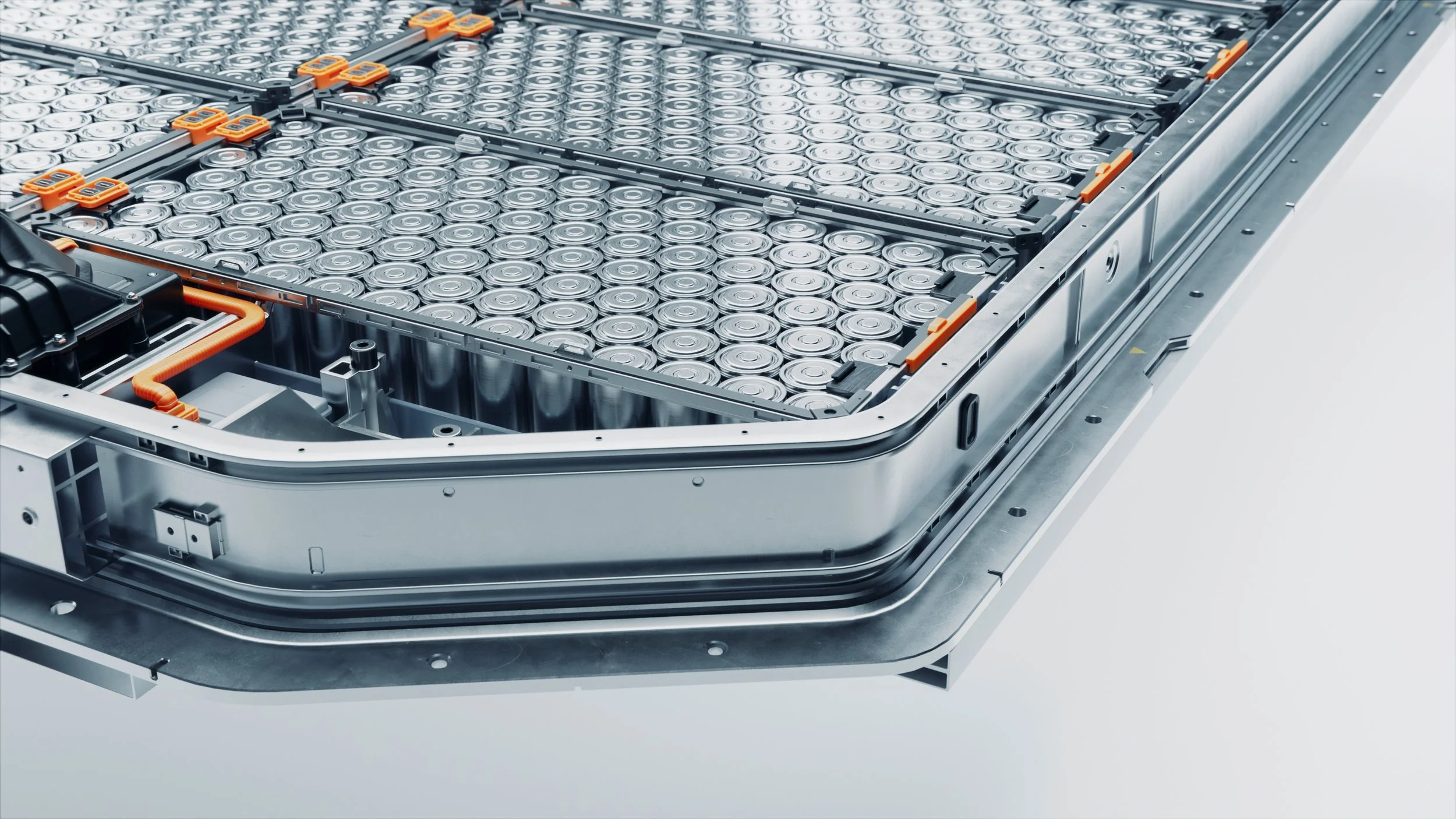
EV battery systems operate under demanding electrical, thermal, mechanical, and environmental conditions. Current collectors, connectors, busbars, housings, cooling systems, and lead tabs must maintain conductivity, corrosion resistance, adhesion, thermal stability, and long-term reliability throughout the battery's service life.
As EV battery architectures evolve toward higher voltages, faster charging, lightweight construction, and extended service life, engineered surfaces increasingly become critical performance enablers.
Surface finishing is not a cosmetic process.
It is an enabling technology for EV battery performance, durability, safety, and sustainability.
Explore the virtual battery
Select individual battery components to discover:
Surface challenges
Material requirements
Coating technologies
Performance advantages
Sustainability benefits
Pouch cells
Cylindric cells
Prismatic cells
Surface treatment solutions across the battery system
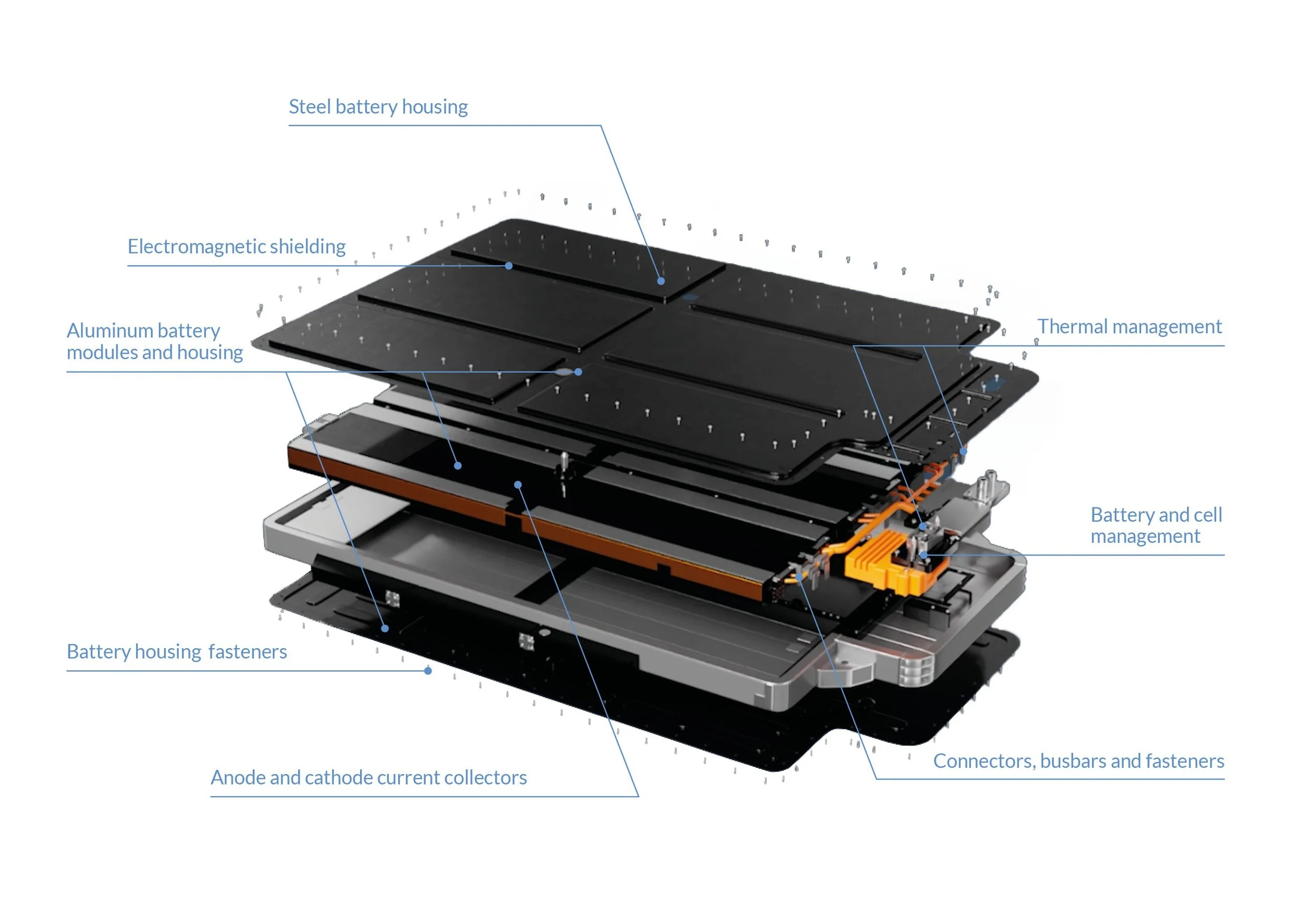
Featured applications
Current collectors
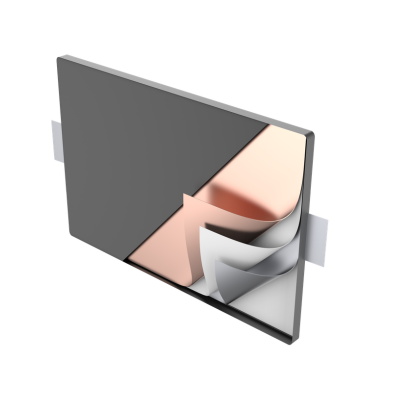
Key benefits
Lightweight design
High conductivity
Improved battery safety
Long-term oxidation protection
Battery housing
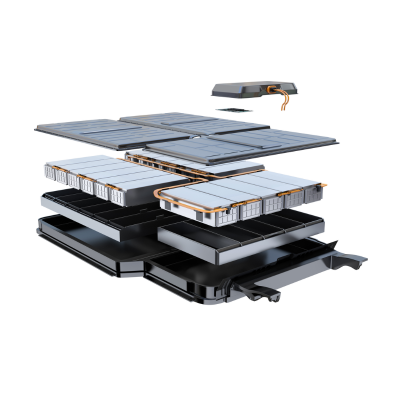
Key benefits
Corrosion resistance
Improved coating adhesion
Fire-retardant coating compatibility
Long-term durability
Thermal Management components
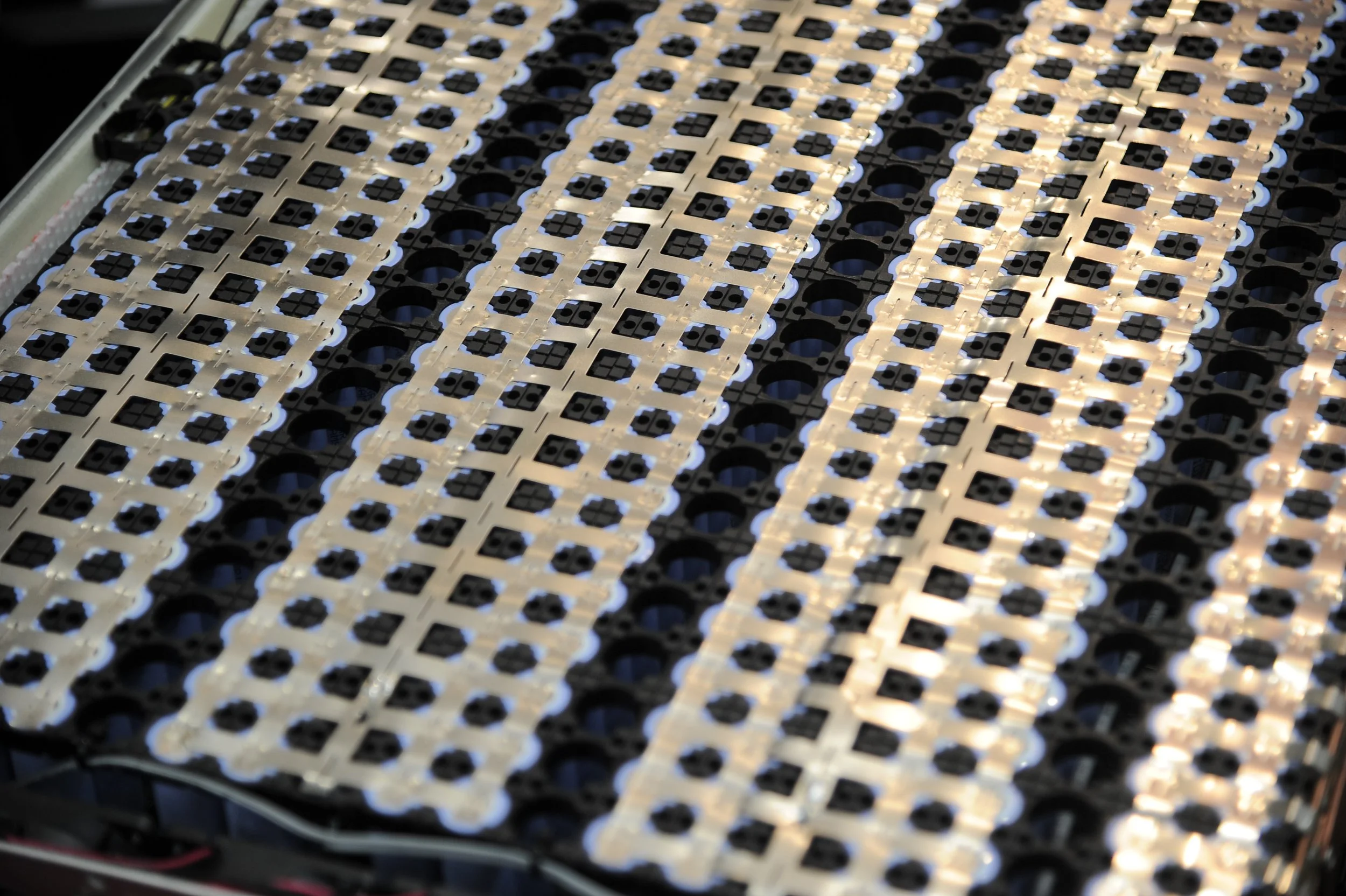
Key benefits
Corrosion resistance
Improved coolant compatibility
Thermal efficiency
Extended service life
EMI shielding solutions
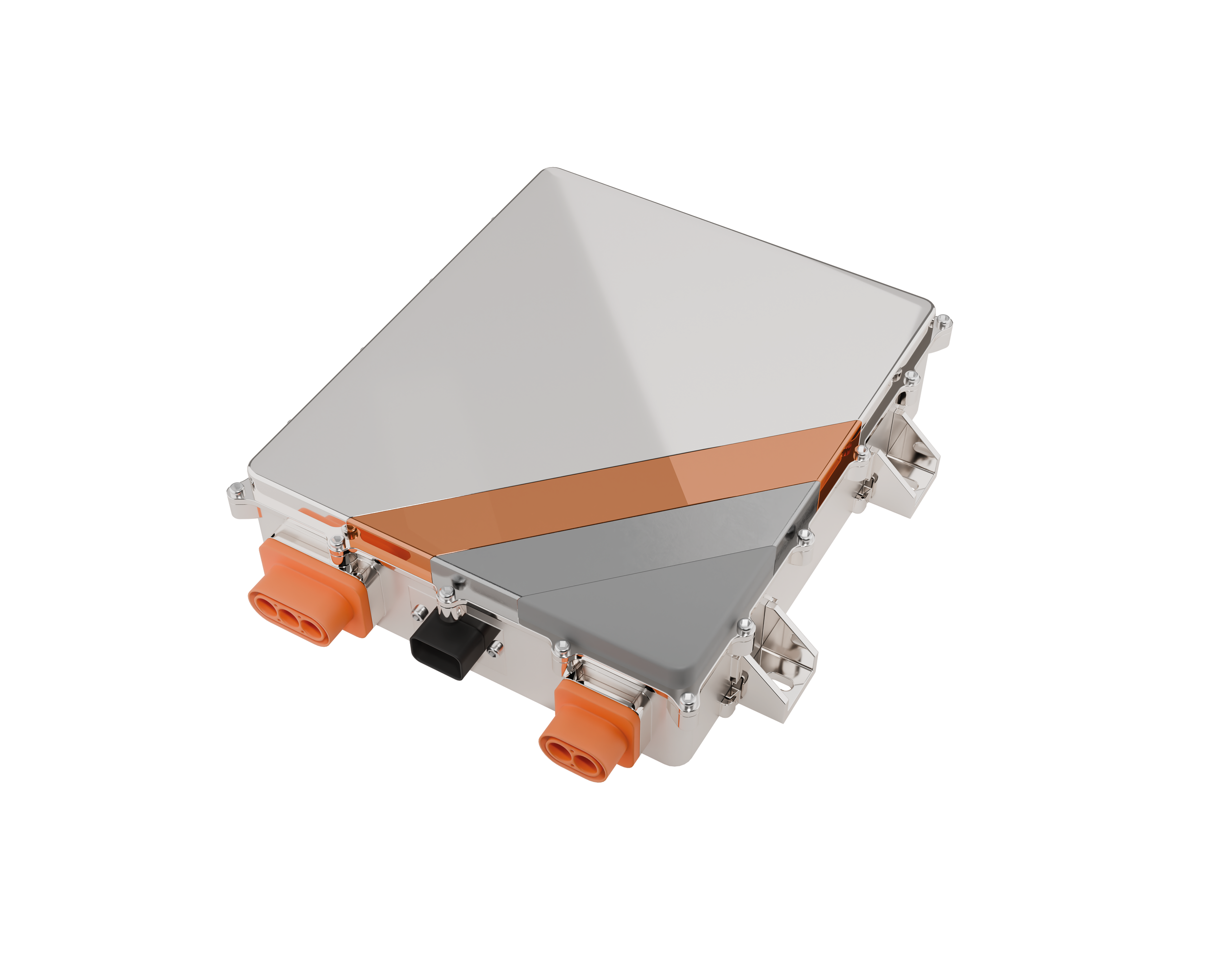
Key benefits
Lightweight plastic designs
Reduced weight
Broad-frequency shielding
Space optimization
Engineering value delivered by surface finishing


Conductivity
Optimized electrical pathways for efficient energy transfer.
Reliability
Consistent performance and long-term dependability.


Corrosion protection
Resists harsh environments and extends component life.

Thermal performance
Improved heat management for safer, more efficient operation.

Lightweighting
Enables weight reduction without compromising performance.
Sustainability
Supports circularity, resource efficiency, and a cleaner future.
Building a more circular battery ecosystem
Surface finishing technologies contribute beyond component performance. Sustainable paint stripping, reclamation processes, corrosion protection, and lifecycle extension can help manufacturers reduce waste, recover valuable components, and improve manufacturing sustainability.
Resources
Battery overview
Battery steel housing solutions
Battery aluminum housing solutions
Thermal Management solutions
EMI shielding technologies
Connectors and busbars
Ready to solve your next battery challenge?
Connect with our battery specialists to discuss
Electrification strategies
Battery component design
Surface finishing technologies
Corrosion protection
Thermal management
Sustainable manufacturing